

Africa's Top Safari Destinations
Of all the trips I recommend, an African safari sits at the top of the list. Standing in the open with elephants, lions, and giraffe in their natural environments, wildlife you've only ever seen on screen, is invigorating, otherworldly, and the kind of experience that resets how you see the world. It's an experience I could do over and over.

Wondering where to begin? Start with the parks that put Africa on every bucket list.
In this guide: Safari Parks of All Styles · Itinerary Add-Ons · Safari Planning - Lodge Stays/Overland
THE ICONS

Masai Mara, Kenya
Lion prides, thundering wildebeest crossings, and the Great Rift Valley to the horizon: the safari every traveler dreams of.
The Mara is arguably the world's most iconic safari destination, lying in the Great Rift Valley in southwest Kenya. Wildlife: The Big Five (lion, leopard, elephant, buffalo, rhino) are all present. The Mara is especially famous for its enormous resident lion prides and large cheetah population. Hippos and crocodiles crowd the Mara River. The Great Migration: From July to October, over 1.5 million wildebeest, hundreds of thousands of zebra, and gazelle cross the Mara River from Tanzania in dramatic, crocodile-filled river crossings — one of nature's greatest spectacles. Activities: Game drives (day and night), hot air balloon safaris at sunrise, guided bush walks, and visits to Maasai villages (manyattas) where you can learn about traditional warrior culture, cattle herding, and beadwork. People & Culture: The Maasai are the semi-nomadic local tribe who co-exist with wildlife on the conservancy lands surrounding the reserve. They are known for their striking red shukas (robes), elaborate jewellery, and the adumu jumping dance. Best Times to Visit: July–October (migration + dry season). June and November are also excellent. Avoid April–May (long rains, some roads impassable).

Amboseli National Park, Kenya
Elephant herds in the foreground, Kilimanjaro on the horizon. Africa's most photographed scene, in real life.
Set at the foot of Mount Kilimanjaro, Amboseli is one of Africa's most photographically iconic parks, with Africa's steepest peak looming over vast elephant herds on the open plains below. Wildlife: Famous for its large-tusked elephants (some of Africa's most studied elephant families), Amboseli also offers lion, cheetah, wildebeest, zebra, giraffe, Maasai giraffe, and spectacular birdlife around the seasonal lake and swamps. Activities: Game drives, birdwatching, Maasai cultural visits, and photography — the combination of elephants with Kilimanjaro as a backdrop is bucket-list material. People & Culture: The Maasai are intricately tied to Amboseli, with community conservancies flanking the park. Visits to Maasai bomas offer insight into traditional life, cattle culture, and their extraordinary relationship with wildlife. Best Times to Visit: January - February and June - October (dry seasons, Kilimanjaro most visible in the morning). The mountain is most often capped with snow in the cooler dry months.
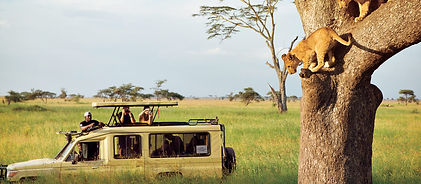
Serengeti National Park, Tanzania
Lion prides, thundering wildebeest crossings, and the Great Rift Valley to the horizon: the safari every traveler dreams of.
The Serengeti ("endless plains" in Maasai) is the Mara's southern counterpart and a UNESCO World Heritage Site covering 14,750 km². Wildlife: Legendary concentrations of predators — lions, leopards, cheetahs, hyenas, and wild dogs. The annual wildebeest calving season in the south sees 500,000 calves born in just a few weeks, attracting huge numbers of predators. The Great Migration (Serengeti side): The migration is a year-round, circular event. Calving in the southern Serengeti (Jan–Feb), northward movement through the central corridor (Mar–Jun), Mara River crossings in the north (Jul–Oct), and the return south (Nov–Dec). Activities: Game drives, hot air balloon safaris over the plains, walking safaris, fly camping, and cultural visits to Maasai bomas near the park boundaries. Best Time: January–February (calving, south); June–July (river crossings beginning); September–October (peak crossings, north). The dry season (June–October) offers the best overall game viewing.

Ngorongoro Crater, Tanzania
A "Garden of Eden" sealed inside an extinct volcano: the densest lion population on Earth, and a real shot at black rhino.
A collapsed volcanic caldera forming a self-contained, 260 km² natural enclosure — often called the "Garden of Eden" and a UNESCO World Heritage Site. Wildlife: One of the densest concentrations of wildlife in Africa, including the highest density of lions on Earth. It's one of the best places to see the critically endangered black rhino in the wild. Also hosts large herds of wildebeest, zebra, buffalo, elephant, hyena, and flamingos at Lake Magadi in the crater floor. Activities: Crater-floor game drives, birdwatching (over 500 species), and visits to the Olduvai Gorge nearby — where some of the oldest hominin fossils were discovered. People & Culture: The Maasai graze cattle inside the crater and live in the surrounding conservation area. The nearby Hadzabe bushmen — one of the last hunter-gatherer tribes in Africa — offer extraordinary cultural encounters near Lake Eyasi. Best Times to Visit: Year-round (wildlife doesn't migrate out of the crater). June–October (dry season) offers the clearest views and best crater rim conditions. February is excellent for the green season with fewer crowds.

Kruger National Park, South Africa
South Africa's wild heart: the Big Five, world-class leopard sightings, and the rare freedom to safari at your own wheel.
One of Africa's largest game reserves and the cornerstone of South Africa's safari industry. Wildlife: All of the Big Five, with exceptionally high leopard density in the south. Wild dogs, cheetah, hippos, crocodiles, and over 500 bird species. The private reserves bordering Kruger (like Sabi Sands and Timbavati) offer off-road and night driving for unparalleled leopard sightings. Activities: Self-drive safaris (unique to Kruger among Africa's top parks), guided game drives, bush walks with armed rangers, night drives, and stargazing. People & Culture: The Shangaan (Tsonga) and Zulu peoples live in communities bordering the park. Cultural villages near the park offer demonstrations of traditional music, dance, and crafts. Best Times to Visit: May - September (dry winter season) - vegetation thins out, animals concentrate around water sources, and malaria risk is lower. Summer (November - February) brings lush green landscapes and excellent birding but denser bush.
Safari is the centerpiece of any trip to Africa, but consider it the foundation, not the finish line. Pair the iconic parks with what's nearby for a richer, more robust adventure.
Kenya: Hike Mount Kenya, unwind on the Swahili coast (Lamu or Diani), then dive into the Mara for lion prides and thundering river crossings. Hungry for a different ecosystem and the unique "Samburu Special Five"? Tack on Samburu.
Tanzania: Summit Kilimanjaro, decompress on Zanzibar's white-sand beaches, then fly into the Serengeti for the Wildebeest Migration. Craving more big cats and baobab trees? Tack on Ruaha.
South Africa: Meander kaleidoscopic Cape Town, sip the celebrated vintages of Stellenbosch wine country, then fly north to Kruger for the Big Five.
Ready to look beyond Africa's most-loved circuits (or returning for more)? The road less traveled is worth exploring, especially with these additional destinations.

THE HIDDEN GEMS

Volcanoes National Park, Rwanda
Misty bamboo forests, the Virunga volcanoes, and one unforgettable hour with a wild gorilla family.
The dramatic volcanic Virunga mountains on the borders of Rwanda, Uganda, and the DRC are home to roughly half the world's remaining mountain gorillas (~1,000). Wildlife: Mountain gorilla trekking is the centrepiece; you hike through dense bamboo forest and montane jungle to spend a magical one hour with a habituated gorilla family. Also home to golden monkeys (endemic), forest elephants, buffalo, and over 180 bird species. Activities: Gorilla trekking (permits required, book 6-12 months in advance), golden monkey trekking, volcano hikes (including Bisoke, a dormant volcano with a crater lake), and Dian Fossey's old research camp at Karisoke. People & Culture: The Echuya Batwa (aka "pygmies") are the original forest inhabitants and offer extraordinary cultural performances and forest walks, sharing their ancient knowledge of the jungle, including medicinal plant usage, hunting techniques, and storytelling. Best Times to Visit: June - September and December - February (dry seasons). Gorilla trekking is possible year-round, but dry season means easier trails and clearer views. Rainy season (March - May, Oct - Nov) makes trails very muddy.

Lower Zambezi National Park, Zimbabwe
Canoe past hippos and elephants on the mighty Zambezi, one of Africa's most pristine, pure-wilderness safaris.
Stretching along the mighty Zambezi River across from Zimbabwe's Mana Pools, Lower Zambezi is one of Africa's last great wilderness areas. Floodplains, mopane woodlands, and a dramatic escarpment frame one of the continent's most pristine and water-rich safari ecosystems. Wildlife: Large elephant herds (often crossing the river between Zambia and Zimbabwe), hippos and crocodiles by the thousands, buffalo, lion, leopard, the occasional wild dog pack, plus kudu, waterbuck, zebra, impala, and eland. Over 400 bird species, including African fish eagles, carmine bee-eaters, and the elusive Pel's fishing owl. Activities: Canoe safaris along the Zambezi (drift past elephants, hippos, and crocodiles at water level), walking safaris with armed guides, motorboat cruises, traditional game drives, and world-class catch-and-release fishing for tiger fish and vundu. People & Culture: The Goba, Nsenga, and Chikunda peoples have lived along the Lower Zambezi for centuries. Community visits offer insight into riverside life, fishing traditions, and the deep cultural connection to the river. Best Times to Visit: May to October (dry season). June to August is peak for game viewing as animals concentrate near the river. April and November are excellent shoulder months with fewer crowds.
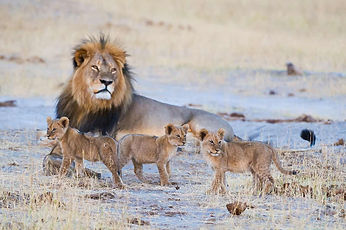
Hwange National Park, Zimbabwe
Zimbabwe's wild heart: vast teak forests, massive elephant herds, and painted wild dogs in one of Africa's most uncrowded wildernesses.
Zimbabwe's largest national park spreads across nearly 15,000 square kilometers of teak forests, mopane woodlands, and Kalahari sandveld. With no major river running through it, life here revolves around the iconic pumped waterholes that draw extraordinary concentrations of wildlife. Wildlife: One of Africa's largest elephant populations (over 45,000), plus lion (this is famously Cecil the lion's home), leopard, cheetah, and one of the continent's strongest populations of endangered African wild dogs. Also home to sable and roan antelope, gemsbok, giraffe, kudu, buffalo, and over 400 bird species. Activities: Game drives (day and night), guided walking safaris, photographic hides positioned at the pumped waterholes for hours of close-up wildlife viewing, and visits to the Painted Dog Conservation centre near the park boundary. People & Culture: The Ndebele and Nambya peoples live in the communities surrounding Hwange. Cultural visits introduce you to traditional crafts, storytelling, and the local conservation initiatives that connect surrounding communities to the park's wildlife. Best Times to Visit: May to October (dry season). July to October is peak, as the lack of natural water forces wildlife to congregate at the pumped waterholes. The green season (December to March) brings excellent birding and dramatic skies for photography.

Okavango Delta, Botswana
Glide by dugout canoe through the world's largest inland delta: wildlife, water, and wilderness like nowhere else.
Okavango Delta is the world's largest inland delta and a UNESCO World Heritage Site where the Okavango River fans out into the Kalahari Desert forming a lush mosaic of lagoons, papyrus channels, and palm-dotted islands. You'll find a completely unique safari ecosystem. Wildlife: Elephant, lion, leopard, wild dog (one of the best places in Africa), hippo, crocodile, sitatunga (a semi-aquatic antelope), red lechwe, and over 400 bird species. The Delta shifts seasonally. Different islands emerge and flood, creating constantly changing landscapes. Activities: Mokoro (traditional dugout canoe) excursions through lily-covered channels, motorboat game drives, walking safaris on islands, night drives, and fly-in bush camping. The combination of water and land-based activities is unique in Africa. People & Culture: The San Bushmen of Botswana offer some of the continent's most intimate cultural experiences by tracking wildlife, making fire with sticks, identifying medicinal plants, and sharing oral traditions. Best Times to Visit: July - October (dry season, peak flood waters from Angolan rains arrive July, and wildlife concentrates). The Delta floods from June - August, making mokoro trips at their best. April - May sees the flood rising and excellent birding.

Chobe National Park, Botswana
The largest elephant population on Earth, with a sunset river cruise that drops you right in the middle of them.
Chobe is home to the largest elephant population on Earth, an estimated 130,000 elephants. Chobe is particularly famous for its elephant herds descending to the Chobe River in vast numbers. Wildlife: Massive elephant herds, large buffalo herds, lion, leopard, wild dog, giraffe, zebra, and enormous flocks of birds along the river. The Chobe Riverfront offers outstanding elephant and hippo viewing on boat cruises. Activities: River boat cruises (especially at sunset), game drives along the floodplain, and combination trips with nearby Victoria Falls - The Zimbabwe/Zambia border is just 80km away. Best Times to Visit: May - October (dry season) - elephants come to the river in huge numbers. June - August is peak season.

Etosha National Park, Namibia
A blinding-white salt pan and floodlit waterholes that pull lions, elephants, and rhinos in after dark.
A stark, otherworldly park centered on the vast Etosha Pan, Etosha spreads across a blinding white salt flat that was once an ancient lake. The pan shimmers and creates mirages in the heat, producing some of Africa's most surreal safari photographs and its sparseness makes for exceptional game-viewing. Wildlife: Etosha is especially famous for its floodlit waterholes, where wildlife congregates at night. Large herds of elephant, lion, leopard, cheetah, spotted and brown hyena, black rhino (one of the best places to see them in Africa), giraffe, gemsbok, springbok, and the rare black-faced impala (endemic to Namibia). Activities: Game drives; waterhole viewing from your lodge or camp (some lodges have waterholes directly overlooking the pan). The floodlit waterholes at Okaukuejo and Halali camps are world-famous for night wildlife viewing. Black rhino occasionally appear at 2am. People & Culture: The San (Bushmen) and Himba people live in the broader Kunene region. The Himba, known for covering their skin with ochre paste, offer one of Africa's most striking and authentic cultural encounters in villages north of Etosha near Opuwo. Best Times to Visit: May–September (dry season) - animals are forced to waterholes, making sightings predictably spectacular. Avoid January - March (wet season, thick bush).
PLAN YOUR SAFARI
By now you've probably caught on: I get a little dopamine hit every time I get a request for SAFARI. It's my favorite, must-have experience, and a joy to send my clients on their dream African adventure. Booking with me also unlocks the Virtuoso advantage at top luxury lodges: complimentary upgrades, on-site credits, preferred rates, and Departure Lounge-exclusive perks that often cover the planning fee many times over, before your first game drive. Let's plan yours.
Virtuoso-Preferred Overland Safaris
Micato Safaris: The only nine-time winner of Travel+Leisure's World's Best Tour Operator and Safari Outfitter award, family-owned Micato Safaris has been crafting luxurious, personalized safaris for sophisticated travelers since 1966. ($$$$)
African Travel, Inc: Handcrafted luxury safaris for 50+ years, delivering immersive and authentic wildlife and cultural encounters across the continent. (A Travel Corporation brand.) ($$$$)
Trans Africa Safaris: A boutique tour operator specializing in unique, thoughtfully curated travel for discerning clients since 1918. ($$$$)
Virtuoso-Preferred Lodges & Reserves
Singita: A collection of ultra-luxury lodges and camps across South Africa (Sabi Sands, Kruger), Tanzania (Grumeti Game Reserve, Serengeti), Zimbabwe (Pamushana), and Rwanda (Kwitonda, Volcanoes National Park). Known for world-class design, exceptional guiding, and serious long-term conservation science. ($$$$)
&Beyond: One of Africa's most respected conservation-driven luxury operators, with 33+ camps and lodges across 9 African countries. The philosophy that runs through every property: Care of the Land, Care of the Wildlife, Care of the People. ($$$$)
Wilderness Safaris: ~40 luxury camps across Botswana, Namibia, Zambia, Kenya, Rwanda, and beyond, specializing in remote, hard-to-reach wilderness. Best for travelers who want to go deeper, further, and quieter, away from mainstream safari circuits. ($$$$)
The Royal Portfollio (Leading Hotels of the World) - Collection of luxury properties across South Africa, with stunning Royal Malewane situated on the edge of Kruger National Park, with wildlife venturing directly onto the property. They offer game drives, intra-South Africa tours and more.
Virtuoso-Partnered Safari Operators
ROAR AFRICA: Ultra-luxe, conservation-driven, founded by Zimbabwean-born Deborah Calmeyer. Signature "Greatest Safari on Earth" is a 12-day private jet journey across Zimbabwe, Botswana, Kenya, and Rwanda. Bespoke custom itineraries also available. ($$$$)
Abercrombie & Kent: One of the original luxury safari names. Offers fully bespoke Tailor-Made journeys and expert-led Small Group Journeys (max 18 guests). Destination specialists customize every detail, making them a strong fit for travelers wanting polished luxury with full flexibility. ($$$-$$$$)
Ker & Downey: Crafting luxury safaris since 1946 with a focus on private conservancies — more intimate wildlife encounters away from busier national park circuits. Bespoke itineraries and a broader price range than ultra-luxury alone. ($$$-$$$$)
National Geographic Expeditions: Educational, expert-led safaris anchored by Nat Geo guides, conservationists, and storytellers. The 2026 Southern Africa: Living History and Legendary Species itinerary visits Sabi Sabi Private Game Reserve and Victoria Falls. Best for travelers who want depth, context, and a story to tell. ($$$)
G Adventures: Small-group, sustainability-forward tours including the Jane Goodall Collection (wildlife-focused, endorsed by Dr. Goodall) and National Geographic Journeys (locally guided, Nat Geo-content driven). Excellent for active travelers, solo adventurers, families, or first-timers wanting accessible luxury. ($-$$)
Intrepid Travel: Certified B Corp running small-group, sustainability-driven trips with fixed scheduled departures. Their Premium tier offers structured luxury for travelers who prefer a planned itinerary. Strong fit for active travelers, solo adventurers, and anyone prioritizing low-impact travel. ($-$$)


Stop dreaming of Africa. The wildlife is waiting for you, and so am I. —Angie
Virtuoso-affiliated · Departure Lounge advisor · 60+ countries traveled
Typical response within 1-2 business days · Initial consultation always complimentary